Trending Update Blog on occupational therapist for children
Wiki Article
Exploring Relationships and Social Connection in Neurodiverse Children
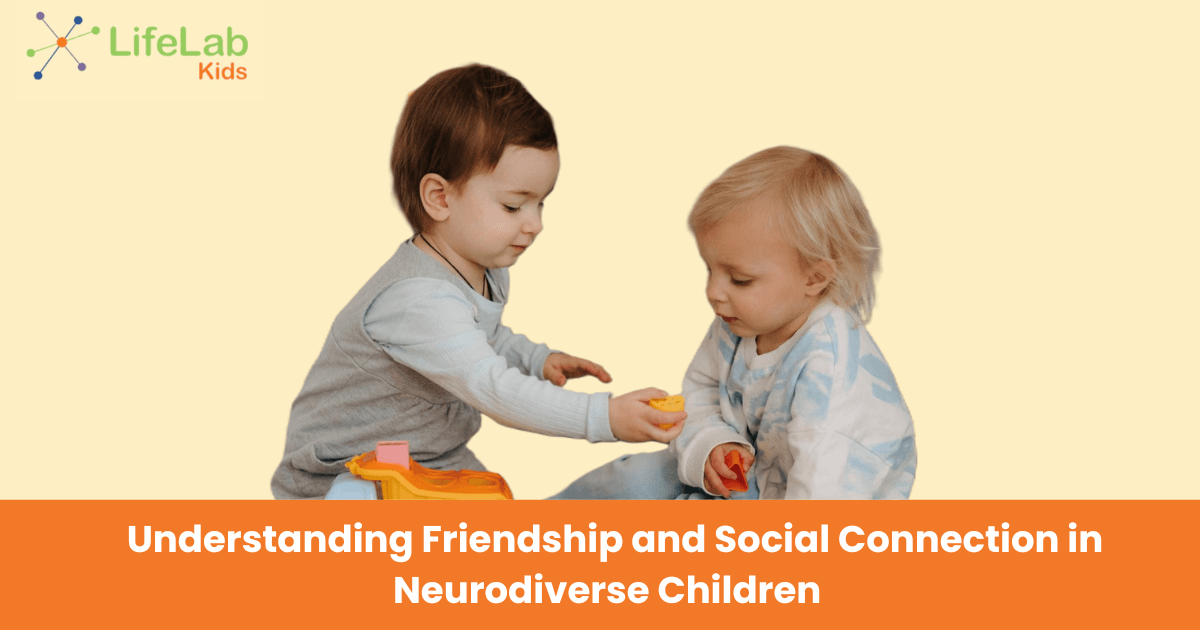
Meaningful relationships plays a significant role in a child’s emotional growth, confidence and wellbeing. For Neurodiverse Children, forming and sustaining social connections can sometimes present distinct challenges. Variations in communication, sensory responses and social awareness can influence how they engage with peers. However, with the right guidance, supportive environments and therapeutic interventions such as an autism therapy provider or child therapy professional, children can develop meaningful relationships and thrive socially. Understanding their needs and creating inclusive environments helps foster confidence and lasting friendships.
The Importance of Social Connections for Neurodivergent Children
Engagement with others is an essential part of childhood. It teaches communication, empathy and cooperation. For Neurodivergent Children, friendships offer emotional support and help minimise feelings of isolation. Positive relationships encourage self-expression and allow children to learn social cues at their own pace.
Those supported by structured sessions such as local children’s therapy services often develop improved social awareness. They learn to identify emotions, respect boundaries and communicate with greater ease. Supportive environments ensure that children feel safe to interact without fear of judgement or misunderstanding.
Challenges in Building Friendships
Children with neurodiversity can face difficulties that influence social interactions. Common challenges include interpreting non-verbal cues, managing sensory sensitivities and starting conversations. Some children may prefer solitary play, while others may struggle to interpret social cues such as tone or facial expressions.
Accessing services like local autism support services can greatly improve outcomes. Professionals trained in behavioural and developmental therapies guide children through structured activities designed to improve interaction skills. Support from an occupational therapist for children can also address sensory challenges, making social environments more manageable and less overwhelming.
The Role of Therapy in Social Development
Therapeutic interventions play a key role in helping children build social skills. Families often consider programmes like an nearby ABA therapy school to provide tailored learning spaces tailored to individual needs. These programmes use evidence-based strategies to teach communication, behavioural regulation and interaction techniques.
An experienced autism specialist helps simplify social behaviours into achievable steps. They are guided to start conversations, share thoughts and respond suitably. A child psychotherapist may also support emotional development by helping children understand their feelings and build confidence in social settings.
Combining therapies creates a holistic approach where children receive both behavioural guidance and emotional support, allowing them to progress steadily in their social development.
Using Play to Build Social Skills
Interactive play is a powerful tool for developing social abilities. Engaging in specialised games for children with additional needs helps improve communication, teamwork and problem-solving abilities. Structured play activities can be designed to encourage turn-taking, sharing and cooperation.
Caregivers and teachers can select activities suited to a child’s interests and capabilities. Group-based games encourage inclusion and comfort. Adding sensory activities for kids is highly effective, as these activities help regulate sensory input while promoting engagement with peers.
A balanced approach to play allows children to engage socially without stress. This approach builds confidence and encourages natural communication.
Building Positive Spaces for Social Growth
A supportive environment is crucial for helping children develop social connections. Parents can promote interaction through playdates, role modelling and consistent support. Creating a calm and predictable environment helps children feel secure and more open to engaging with others.
Within schools, selecting an nearby ABA-based school can provide structured support tailored to the needs of neurodiverse learners. These institutions combine therapy with learning to enhance both social and academic skills. Teachers trained in inclusive practices can adapt teaching methods to suit different learning styles, making it easier for children to participate in group activities.
Working together, parents, educators and therapists create consistent support that helps children transfer skills across settings.
Why Personalised Support Matters
Every child is unique, and their social development journey will differ. What works for one child may not be effective for another. Personalised strategies are essential to address individual strengths and challenges.
Professionals offering autism help near me evaluate needs and design personalised plans. They may involve communication practice, behavioural support and sensory integration. Collaborating with an paediatric occupational therapist ensures that sensory challenges are managed effectively for smoother interactions.
Personalised support allows steady progress while boosting confidence and minimising frustration.
Developing Self-Esteem and Emotional Strength
Self-confidence plays a major role in social bonding. Those with strong self-belief tend to interact more freely. Support and praise help strengthen confidence.
Guidance from a child psychotherapist can help children manage anxiety and develop coping strategies. Learning to express emotions effectively allows children to communicate their needs and build stronger relationships. Over time, this emotional resilience enables them to handle social challenges more effectively.
Celebrating small achievements and providing consistent encouragement helps children recognise their progress and stay motivated to engage socially.
Guidance for Families and Caregivers
Families are central to a child’s social growth. Understanding the unique needs of Neurodiverse Children helps aba therapy school near me families offer more effective support. Access to resources such as children's therapy near me and expert guidance enables parents to support social development.
Many programmes provide parental guidance to reinforce learning at home. Building a strong support network ensures that families feel empowered and confident in supporting their child’s development.
Encouraging Inclusive Communities
Inclusive environments are key to building strong social bonds. Awareness and understanding of neurodiversity help reduce stigma and encourage acceptance. Collaboration between families and institutions ensures inclusive spaces for every child.
Encouraging peers to understand and appreciate differences promotes empathy and cooperation. Shared activities enable children to interact, learn and form lasting relationships.
Conclusion
Strong social bonds are fundamental in childhood, and with proper support, Neurodiverse Children can develop lasting friendships. With guidance from an autism therapy provider, learning programmes in an nearby ABA therapy centre and guidance from an occupational therapist for children, children can gain essential social skills. By creating supportive environments, encouraging play and embracing individual differences, families and communities can help children thrive socially and emotionally. Report this wiki page